White Paper
Understanding Potential Rollbacks of Cool Roof Requirements
Cool Roof Requirements have been in both model national and local building energy codes for more than two decades. During that time, both energy codes and buildings have evolved to the point that the need for cool roofs has changed and is now more individualized by use and location. Due to this as well as political reasons, some jurisdictions have opted to relax, or even roll back, cool roof requirements. This paper addresses many aspects of this changing landscape in a direct FAQ format and is intended to help building designers and owners understand the implications of these changes.
GET THE ANSWERS TO THESE FREQUENTLY ASKED QUESTIONS:
- What is the cool roof requirement, and how did it originate in building energy codes?
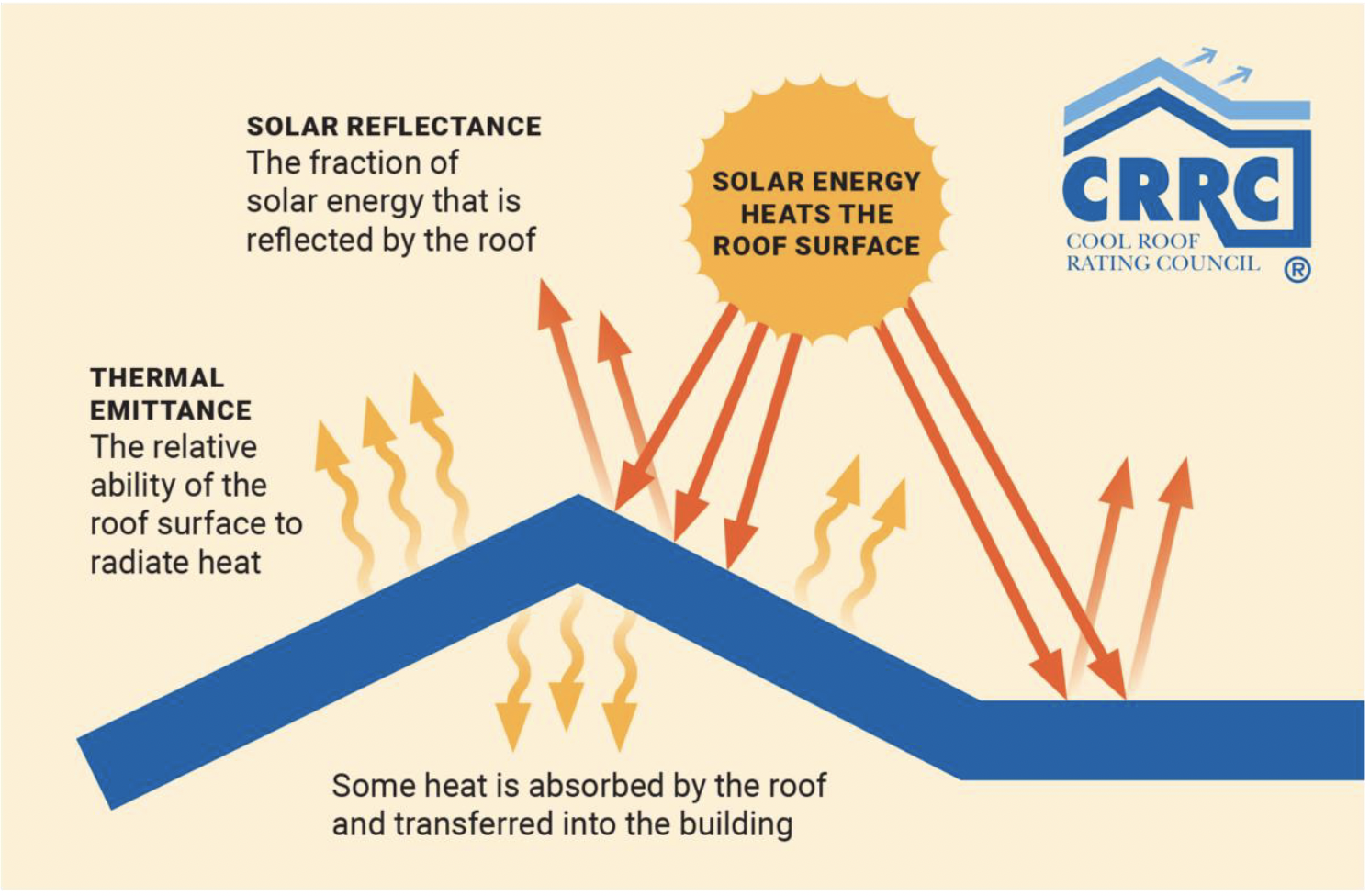
- What is the difference between solar reflectance, thermal emittance, and SRI?
- Why are some states and jurisdictions considering rolling back or modifying cool roof mandates?
- What climates or regions benefit most from cool roofs, and where is the least impact?
- How do cool roof requirements differ between energy codes, green codes, and voluntary programs?
- Does rolling back cool roof requirements impact building energy use or HVAC demand?
- How does roof reflectivity influence urban heat island effects, and is that affected by a rollback?
- Are there building types or roof designs that see limited or no benefit from cool roof requirements?
- How do insulation levels, ventilation, and above-sheathing ventilation affect cooling loads compared to reflectivity alone?
- How does roof slope influence the effectiveness of cool roof coatings and pigments?
- Do cool roof benefits diminish over time due to dirt accumulation, weathering, or pigment degradation?
- What impact might a rollback have on building owners, contractors, and manufacturers?
- How does the cost difference between cool roof and non-cool roof products affect material selection?
- Will rolling back requirements simplify product availability and reduce project complexity?
- Does a rollback increase carbon emissions or overall energy use at the grid level?
- Are there alternative strategies that provide similar or greater benefits than cool roof requirements?
- Do metal roof systems inherently meet many cool roof performance targets without special coatings?
- How do advanced PVDF coatings and cool pigments interact with evolving energy codes?
- What role can metal roofing play in meeting energy performance goals if cool roof mandates are relaxed?
- Are metal roofs with high emissive finishes still beneficial in climates where cool roofs are less effective?
- How should designers and building owners approach roof selection if the cool roof mandate is modified or removed?
- Will local jurisdictions still be allowed to enforce stricter cool roof requirements even after a rollback?
- Are there transitional code periods or compliance timelines affected by the rollback?